Physics: Römer's determination of the speed of light
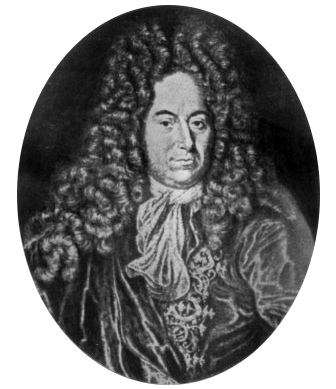
Physics: Römer's determination of the speed of light
Wikimedia Commons, CC BY-SA
Römer's determination of the speed of light By: Ole Romer (1676) In 1676, the Danish astronomer Ole Rømer demonstrated that light has an apprehensible, measurable speed and so does not travel instantaneously.

Commentary

Commentary

Römer's determination of the speed of light (1676) Performed by: Ole Romer In 1676, the Danish astronomer Ole Rømer demonstrated that light has an apprehensible, measurable speed and so does not travel instantaneously.

Commentary

What makes Römer's determination of the speed of light si gnificant? This experiment is remembered because it gave scientists a way to directly test a theory about nature rather than just theorizing about it. The result either confirmed or challenged what physicists believed at the time.

Commentary

About Römer's determination of the speed of light In 1676, the Danish astronomer Ole Rømer demonstrated that light has an apprehensible, measurable speed and so does not travel instantaneously. Rømer was working at the Royal Observatory in Pari s at the time. By timing the eclipses of Jupiter's moon Io, Rømer estimated that light would take about 22 minutes to travel a distance equal to the diameter of Earth's orbit around the Sun. Using modern orbits, this would imply a speed of light of 226,663 kilometres per second, 24.4% lower than the true value of 299,792 km/s. In his calculations Rømer used the idea and observations that the apparent time between eclipses would be greater while the Earth is moving further from Jupiter and lesser while moving closer. Rømer's theory was controversial at the time that he announced it and he never convinced the director of the Paris Observatory, Giovanni Domenico Cassini, to fully accept it. However, it quickly gained support among other natural philosophers of the period such as Christiaan Huygens and Isaac Newton. It was finally confirmed nearly two decades after Rømer's death, with the explanation in 1729 of stellar aberration by the English astronomer James Bradley.