April 29, 1997
The Chemical Weapons Convention of 1993 enters into force, outlawing the production, stockpiling and use of chemical weapons by its signatories.
Commentary
Commentary
Source: Wikipedia (CC BY-SA)
On April 29, in the year 1997:
The Chemical Weapons Convention of 1993 enters into force, outlawing the production, stockpiling and use of chemical weapons by its signatories.
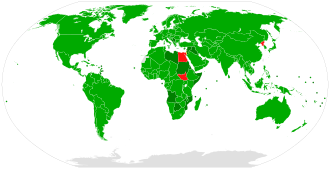
The Chemical Weapons Convention (CWC), officially the Convention on the Prohibition of the Development, Production, Stockpiling and Use of Chemical Weapons and on their Destruction, is an arms control treaty administered by the Organisation for the Prohibition of Chemical Weapons (OPCW), an intergovernmental organization based in The Hague, Netherlands.
Commentary
Source: Internal
Why April 29, 1997 matters:
The Chemical Weapons Convention of 1993 enters into force, outlawing the production, stockpiling and use of chemical weapons by its signatories.
What began on this day left a lasting mark on history. The effects were felt immediately and continued to shape events, ideas, and lives long afterwards.
Commentary
Source: Internal
Historical context: April 29, 1997
The 20th century brought change at a pace unprecedented in history: two world wars, the rise and fall of fascism and communism, decolonisation, the Cold War, the space race, and revolutions in science, technology, and human rights all compressed into one hundred years.
The event on this day: The Chemical Weapons Convention of 1993 enters into force, outlawing the production, stockpiling and use of chemical weapons by its signatories.
Source: https://en.wikipedia.org/wiki/Chemical_Weapons_Convention (Wikipedia, CC BY-SA)
Commentary
Commentary
Commentary
Commentary